
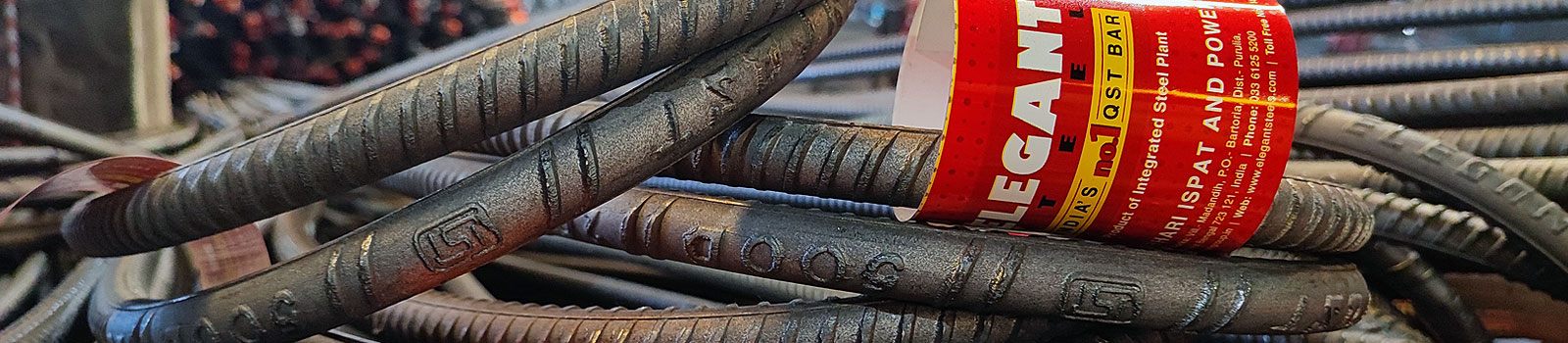
The safety of a structure starts before the first footing is cast. Steel bars for construction are placed inside concrete and stay hidden for decades.
Before the concrete is poured, a buyer should check the steel’s source, grade, markings, test reports, bendability, ductility, and delivery condition. After casting, conducting checks is not possible.
Primary steel excels in quality because its manufacturing process begins with carefully chosen raw materials. Every stage of production, from steelmaking and rolling to QST processing and testing, is closely monitored to ensure consistent quality.
Whether it is a home, an apartment, a bridge, a flyover, a commercial building, or industrial structure, top-quality steel helps in providing trustworthy reinforcement, better safety, and a longer service life.
What primary steel means in construction work
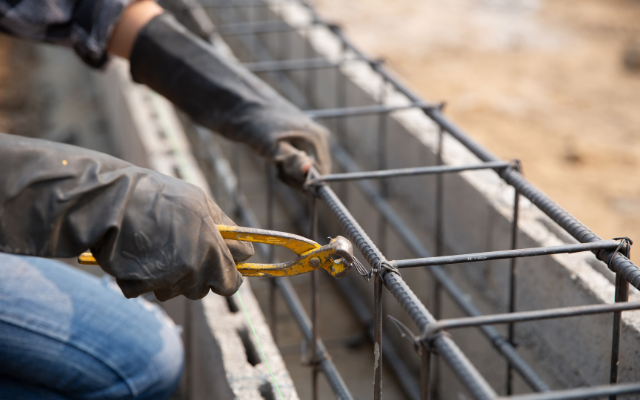
Primary steel is made via a controlled manufacturing process that begins with raw materials such as iron ore and coal.
Primary steel producers in India keep a strict control over raw material handling, billet production, rolling, testing, and dispatch. This matters at site because reinforcement bars have to perform as per the structural drawing, and not just look good when they arrive on site.
For buyers, primary steel gives better traceability. It is easier to check the name of the manufacturer, grade, bar markings, test certificate, and supply records before footing, column, beam, or slab work begins.
This makes primary steel a top choice for reliable construction work.
Controlled chemistry supports better steel performance
The safety of a structure depends on how a steel bar responds when it is bent, loaded, and exposed to different conditions over time.
The chemical composition of steel matters as it affects its strength, flexibility, bendability, weldability, and resistance to corrosion. The steel bars should bend easily during fabrication, stay strong when placed inside concrete, and support the loads that they are designed to carry.
The bars should also give the structure enough ductility during movement, load changes, or seismic stress.
Primary steel offers more consistent performance because its production is seamlessly controlled and overseen from the beginning. When choosing the best TMT, stable chemistry and controlled rolling help produce steel bars that perform reliably during construction and maintain their strength throughout the structure’s life.
Footings, columns, beams, and slabs need consistent steel
Every part of a structure depends on steel reinforcement for carrying out its specific role.
Footings transfer the building’s load to the ground. Columns carry loads from floor to floor. Beams support slabs and walls, while slabs carry the weight of people, furniture, storage, equipment, and daily use. This is why choosing materials from a trusted primary steel company in India is essential, as staircases, balconies, retaining walls, and roof projections also depend on adequately reinforced steel.
A steel bar mismatch in grade, diameter, bar source, bend quality, or strength can disturb the execution plan at the site. The issue may appear during cutting, bending, tying, spacing, concrete cover, or engineer inspection.
Consistent primary steel helps the site team to match the steel with the structural drawing. The grade, size, markings, and test certificates can be checked before each stage of construction.
QST and Fe 550D connect strength with ductility
QST (Quenched and Self-Tempered) technology gives reinforcement bars the strength and ductility needed for modern construction projects.
In this process, the outer surface of the hot steel bar is cooled quickly after rolling, while the inner core remains hot. The heat from the core tempers the outer layer, creating a hard outer surface and a tough, flexible core.
At ELEGANT Steel, our ELEGANT Steel 550D QST Bars surpass client expectations when it comes to performance.
The Fe 550D grade provides high strength along with good ductility. This allows the steel to handle stress, movement, and changing loads effectively under different working conditions during construction. It also offers good bendability and weldability, making the steel bars flexible enough to cut, shape, and place as per the structural drawings.
Together, primary steel, the right steel grade, and QST technology help produce reinforcement bars that support safer an construction.
What buyers should check before casting
Before ordering steel bars for a house, apartment, commercial building, bridge, flyover, or industrial structure, buyers should check:
- Steel grade
- Diameter and length
- Bar marking
- BIS or ISI marking where applicable
- IS 1786 alignment for reinforcement bars
- Manufacturer details
- Test certificate
- Dealer invoice
- Batch or heat traceability where available
- Delivery condition
- Storage plan at site
- Same grade use across the structure
These checks should be done before concrete casting begins. If you’re wondering what to know before buying TMT bars, proper pre-casting inspection is one of the most important steps. Once construction reaches the casting stage, work progresses quickly. Checking the steel in advance helps avoid problems during the later stages like bar tying, shuttering, concrete pouring, and site inspection.
Where ELEGANT Steel fits into the primary steel decision
ELEGANT Steel fits this check as a primary steel company in India with integrated plants in Durgapur and Purulia. Our controlled production process covers steelmaking, rolling, QST processing, and quality testing.
ELEGANT Steel 550D QST Bars are manufactured for reinforcement applications and follow IS 1786 requirements through BIS-certified production. The bars are available in sizes used for homes, commercial buildings, infrastructure work, and industrial construction projects.
For buyers, the benefits include grade clarity, documentation, and supply planning before the steel reaches the casting stage. Buyers should always purchase steel from an authorized dealer or retailer. Our team can always assist you when you purchase steel for any construction work.
Also Read: Complete Guide to How Primary Steel Is Made for Construction
Frequently Asked Questions
1. What does primary steel mean in construction?
Primary steel, made from raw materials like iron ore and coal through a strictly controlled manufacturing process, is a top choice for modern construction. For a construction buyer, the value is traceability, allowing buyers to verify the manufacturer, steel grade, and test certificates before the bars are used in construction.
2. Can primary steel help a structure last longer?
Top-quality steel provides a strong foundation. Top-notch steel quality, coupled with proper construction practices, ensures that any structure built with precision lasts longer. Correct bar placement, adequate concrete cover, proper compaction, curing, and safe storage all help the structure perform well over time.
3. What should buyers check before ordering steel bars for construction?
Before placing an order for steel purchase, buyers should check the steel grade, diameter, length, bar markings, BIS/ISI certification, test certificate, dealer invoice, delivery condition, and engineer approval. These checks should be completed before the concrete casting process begins.

