

Architects value reliable TMT bars because reinforcement is an important part of turning a structural design into a finished building. The steel delivered to the construction site should match the approved structural drawings and specifications provided by the engineer. The best TMT bars for construction are the ones that match the grade, diameter, and bend details specified by the structural engineer. The Bar Bending Schedule then puts those requirements into a clear list for ordering and fixing.
When the right TMT bars arrive on time with clear markings and test records, the team at work in the construction site can complete reinforcement work without delaying casting. Architects can do away with the changes that they need to manage otherwise around openings, staircases, balconies, services, and finishes during construction.
A lot depends on how closely the steel order placed and delivered matches the BBS.
Structural coordination protects the approved design
Architects pay close attention to reinforcement because beam depth, column position, slab edges, and service openings can affect the final layout.
A larger room may need a longer span. Basement parking can affect column positions and clear height. A projecting balcony alters the slab edge, while a staircase beside a service shaft leaves little room for error. The structural engineer sets the grade, diameter, spacing, lap length, and bends. The architect then checks how those details work with the plan, façade, ceiling, services, and finishes. Good coordination depends on the steel delivered to the site matching the engineer’s specifications.
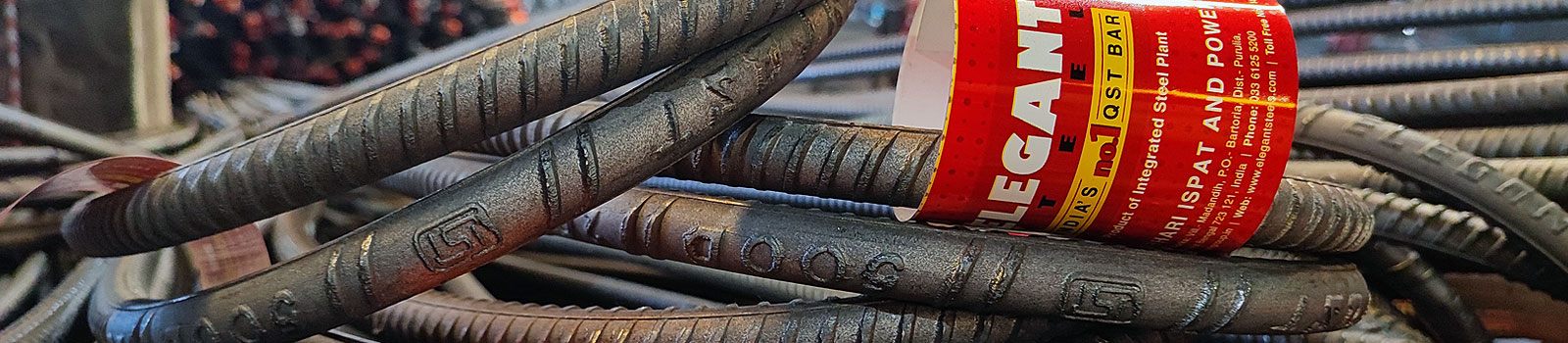
TMT is the common market term. ELEGANT Steel’s accurate product name is ELEGANT Steel 550D QST Bars, made using the Quenched and Self-Tempered (QST) process.
The BBS connects the drawing with the steel order
The BBS acts as a guide for reinforcement planning at various stages of construction.
It records bar diameters, shapes, cutting lengths, quantities, and locations. The contractor can use this schedule to plan steel for footings, columns, beams, slabs, staircases, balconies, and roof work. It also helps procurement teams order steel based on the actual requirements shown in the drawings rather than relying only on an estimated quantity.
The BBS helps in making the calculations right when it comes to planning slab openings, beam-column joints, staircase landings, and service shafts, where several steel reinforcement bars are required to fit into a small space while maintaining the spacing and concrete cover.
When the steel order matches the BBS, the required bar sizes and quantities are available at the site. This allows workers to complete reinforcement fixing smoothly and with less room for error.
How Modern Designs and TMT Bars Are Interrelated
Modern building design is all about something grand, minimal, sprawling, and quirky at the same time. The new home design plans often feature sprawling spaces, fewer columns, cantilevered balconies, large windows, open floor plans, basements, and the like. These design choices often lead to different structural demands. The connection is about finding out how modern architectural designs create structural requirements that TMT bars must support.
- Large expansive rooms: Longer spans need stronger structural members and precisely planned reinforcement
- Less columns: In modern homes usually, large spaces are usually designed with less columns. Fewer columns mean the structure must be capable of carrying loads over longer span
- Cantilevered balconies: Projecting balconies require well-designed reinforcement to resist bending and shear forces.
- Large windows and openings: Oversized windows are often a feature of modern building designs. Openings can affect how beams, columns, and slabs are arranged around them.
- Basements and parking areas: Column positions need to be planned carefully to allow vehicle movement and maintain adequate clear height.
- Complex architectural shapes: Reinforcement matching structural details is crucial. Curved, angled, or stepped designs may require reinforcement to follow specific structural details.
- Service integration: Essential services such as electrical, plumbing, and HVAC may require openings and passages that must be planned alongside reinforcement before casting.
Bar behavior matters during cutting and fixing
Steel quality is of prime importance because it eases the reinforcement process.
Consistent TMT bar quality helps workers cut, bend, and place reinforcement as shown in the structural drawings and BBS.
Stirrups, hooks, column ties, beam bars, and staircase reinforcement all require specific bends. Good bendability helps the bars take the required shapes without much difficulty. This, in turn, helps in achieving the structural design goals. Ductility allows steel to deform under stress while continuing to perform as required by the structural design.
These qualities become especially important in congested areas. Beam-column joints, balcony edges, and staircase landings may have several bars meeting in a small space. Predictable TMT bar behavior makes cutting, bending, tying, and placing reinforcement easier for the site team. The engineers also get busy in inspecting the reinforcement arrangement before concrete is poured.
When weldability is required as part of an approved structural detail, it can play an important role. In sync with the structural drawing and engineer’s instructions, the planning for carrying out the welding process should be done.
Traceable Records Make Pre-Casting Checks Easier
Keeping proper steel records is an important check that helps the project team verify the material before it is covered by concrete.
The bar markings and the crisp details about the manufacturer help identify the product. A test certificate provides information about the supplied steel and its tested properties. An authorized dealer invoice records the grade, quantity, and source of purchase. Batch or heat numbers, when available, provide additional traceability.
The site team can compare the delivered bars with the structural drawings and BBS. They can check the bar diameter, grade, quantity, markings, and bend details before casting begins. Where applicable, the team can also verify BIS certification, the ISI mark, and compliance with IS 1786.
Purchasing from an authorized dealer helps keep the product source and supporting documents clear. This makes inspection, consultant review, and project record-keeping easier.
Delivery Planning Keeps Construction Work on Track
The TMT bars with the right diameters should reach the site before each reinforcement stage starts.
Footings, columns, beams, slabs, and staircases may require different bar sizes. Delivering steel in stages helps keep the required bars ready for each pour and avoids unnecessary storage of steel needed for later construction work.
A shortage of the required TMT bar size can bring reinforcement work to an abrupt pause. It can delay shuttering checks and, in turn, concrete casting. This can affect masonry, plumbing, electrical work, waterproofing, and finishing, requiring the schedule to be replanned.
A well-planned delivery schedule helps the contractor coordinate several processes like unloading, storage, cutting, bending, fixing, inspection, and casting without disrupting the flow of construction work.
Before reinforcement work begins
The steel order needs to match the drawing, the Bar Bending Schedule, and the work planned next on site.
ELEGANT Steel 550D QST Bars are available in Fe 550D grade and are manufactured to meet IS 1786 requirements through BIS-certified processes. They are available in 6 mm, 8 mm, 10 mm, 12 mm, 16 mm, 20 mm, 25 mm, 28 mm, and 32 mm diameters.
This wide range gives project teams the flexibility to select suitable QST bars for construction across footings, columns, beams, slabs, staircases, balconies, and roofs.
Architects can refer to the drawing and BBS to confirm that the required sizes are covered. Engineers and contractors can then review the bar markings, test records, dealer source, and delivery date before fixing starts.
A conversation with us can help you check the size mix, product documents, authorized dealer supply, and dispatch timing for the next stage of construction.
Frequently Asked Questions
How does BBS help architects and contractors?
A Bar Bending Schedule lists the required bar sizes, shapes, lengths, quantities, and locations. It helps the contractor place the steel order and gives the architect and engineer a common reference during site coordination.
What makes reinforcement traceable?
Clear bar markings, a test certificate, an authorized dealer invoice, and batch or heat identification, where available help trace the supplied steel. These records support inspection before casting and later project documentation.
Why does steel delivery timing affect architectural work?
A delay in reinforcement can move the casting date and affect masonry, electrical work, plumbing, waterproofing, and finishes. Planned delivery helps keep these connected activities on schedule.
What should teams know about ELEGANT Steel 550D QST Bars?
ELEGANT Steel 550D QST Bars come in Fe 550D grade and are manufactured using the Quenched and Self Tempered process. The available diameter range supports reinforcement planning for different structural members and casting stages.

