
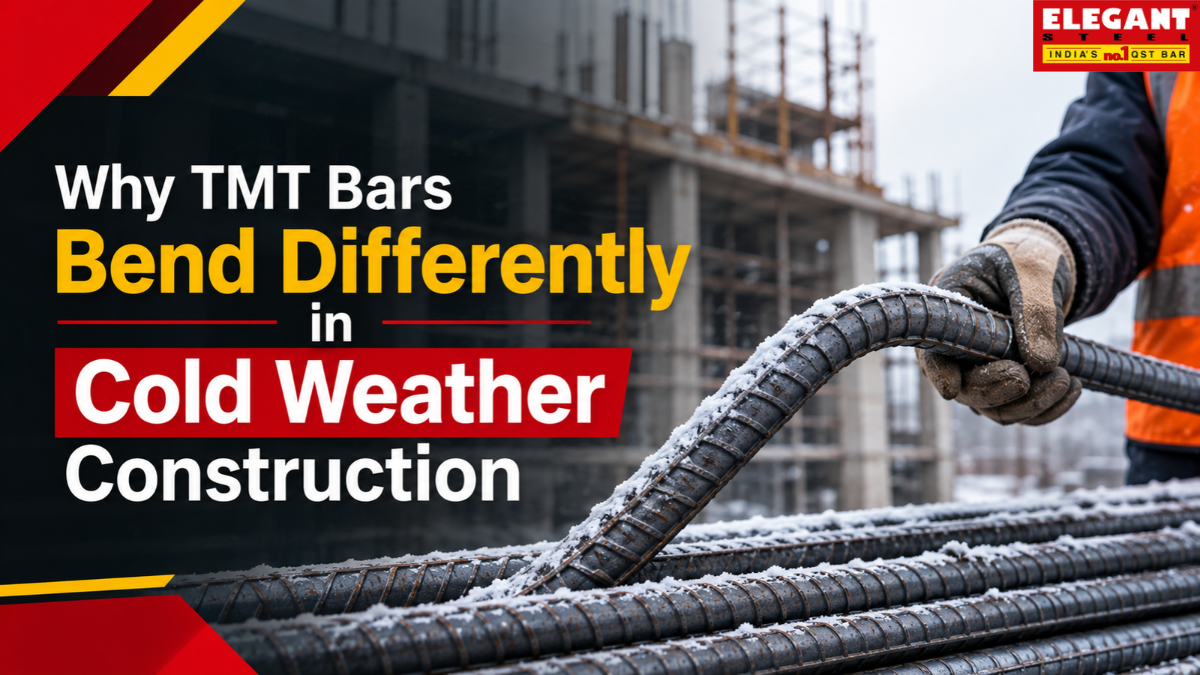
TMT bars may need slightly more force to bend during colder weather because steel’s yield strength generally increases as temperatures drop. However, the difference is usually limited on most Indian construction sites. If a bar develops cracks while workers are preparing stirrups, look beyond the weather. An incorrect bending pin, a sharp bend or repeated straightening could be contributing to the problem.
Before shuttering begins, the column cage needs a proper inspection. Identifying the cause early can prevent unnecessary rework, replacement and construction delays.
How Much Difference Does a Cold Morning Make?
Yield strength indicates the stress steel can withstand before it begins to deform permanently. Studies on reinforcing steel have observed an increase in yield strength at lower temperatures, with changes occurring even above freezing.
Consider a December morning in Kolkata compared with a construction site in a freezing hill region. The working conditions are quite different. On a typical Indian winter morning, sound reinforcement is unlikely to experience sudden brittle failure simply because of the temperature. However, severely cold conditions call for additional care, particularly when workers are handling bars that have already been bent or straightened.
If a bar feels unusually difficult to bend, check the bending arrangement before assuming that the steel is at fault.
Check the Bending Pin Before You Blame the Steel
Suppose your workers have finished preparing 8 mm stirrups and are now moving on to larger beam reinforcement. The bending setup must be adjusted to suit the new bar diameter. Using an incorrectly sized pin can create excessive stress around the bend.
As the bar curves, its outer surface stretches. If the bend is too tight, fine cracks may develop along the outer surface. Repeated bending and straightening can increase the risk of damage.
The reinforcement grade is another important consideration. Ductility determines how much deformation steel can withstand before fracturing. Different grades have specific strength and elongation requirements, which engineers consider when approving reinforcement for structural applications.
Before rejecting an entire delivery, ask your site engineer to examine the bending equipment, bar condition and approved bending details. The problem may be related to the bending process rather than the material itself.
Keep the Next Bending Shift on Schedule
Your Bar Bending Schedule (BBS) should remain the reference point for cutting and bending operations. It contains details of the required bar diameters, shapes, dimensions and quantities based on the structural drawings. Keep it accessible so workers can check the specifications when switching between stirrups, beam bars and other reinforcement.
At the time of delivery, verify that the supplied grade and diameters match the purchase order. Inspect the bars for visible damage before bending and examine the outside of each bend afterward. If you notice cracks, separate the affected bars and seek the structural engineer’s approval before using or replacing them.
Avoid shortcuts such as heating a stubborn bar directly over a flame. Uncontrolled heating can affect the steel’s mechanical properties. Any heating or field rebending should follow an engineer-approved procedure, particularly in extremely cold conditions.
A damaged stirrup discovered after the column cage is tied can mean additional cutting, replacement work and another inspection. Identifying the problem near the bending machine makes the correction much easier.
What to Ask Your Primary Steel Manufacturer
Steel reinforcement bars are manufactured to meet specified mechanical and ductility requirements. Instead of judging an entire batch by how much effort one bar takes to bend, check the relevant material test documents and confirm that the supplied product meets the structural specifications.
IS 1786 specifies requirements relating to strength, elongation, bend tests and rebend tests. For Fe 550D reinforcement, ductility is an important consideration when bars are used in RCC beams, columns and footings.
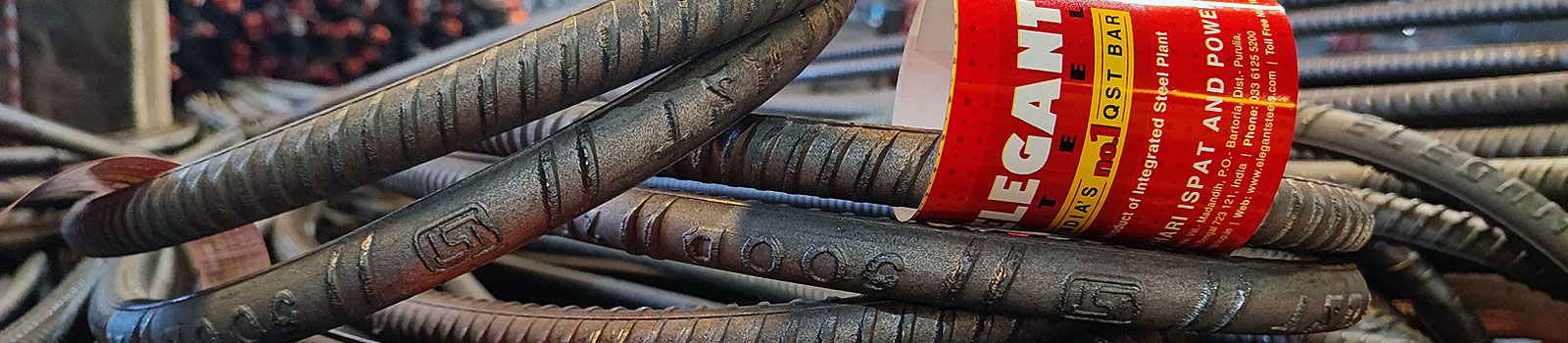
At ELEGANT Steel, our ELEGANT Steel 550D QST Bars are manufactured through the Quenched and Self-Tempered process. When sourcing QST bars for construction, check the specified grade, bar markings and material test certificates against your engineer’s requirements.
We can also help you understand the available bar sizes and coordinate material supply according to your project’s reinforcement schedule.
Frequently Asked Questions
1. Will a chilly morning make TMT bars crack?
Ordinary winter conditions alone are an unlikely explanation. Look at the bend radius, pin size and any previous damage before drawing conclusions.
2. Why is a 20 mm bar tougher to bend than an 8 mm bar?
A thicker bar needs considerably more bending force. Your machine and bending pin must suit the bar diameter, grade and approved detailing.
3. Can I straighten a stirrup and bend it again?
Repeated bending can damage the affected area. Ask your site engineer to approve the procedure before reusing a reshaped bar.
4. Should my crew heat a bar to make bending easier?
Only through an engineer-approved procedure. Heating steel over an uncontrolled flame can change its properties. Talk to your dealer or a top TMT bar company in India to learn more.
5. What proof should I ask for when buying reinforcement bars?
Request the relevant material test certificate and IS 1786 test results. Check that the documents match the grade and batch delivered to your site.

